Motor Recovery Line
⚠️ If you’ve had an accident and it wasn’t your fault, we may be able to recover your vehicle
Had a crash? Not your fault?
A road traffic accident can be shocking, emotional, and confusing, especially in the moments afterwards. If you’ve been involved in a non-fault car accident, you don’t have to deal with it alone. We’ll calmly guide you through what to do next and help take the pressure off.
- Call us any time, 24 hours a day, 7 days a week: real help when you need it most
- Fast vehicle recovery arranged via our trusted UK partner network
- Clear, honest advice on what to do after a car accident
- Support with vehicle repairs and replacement cars where eligible
- No stress, no waffle: just practical help when it matters
IMPORTANT: In an emergency or if anyone is injured, call 999 first.
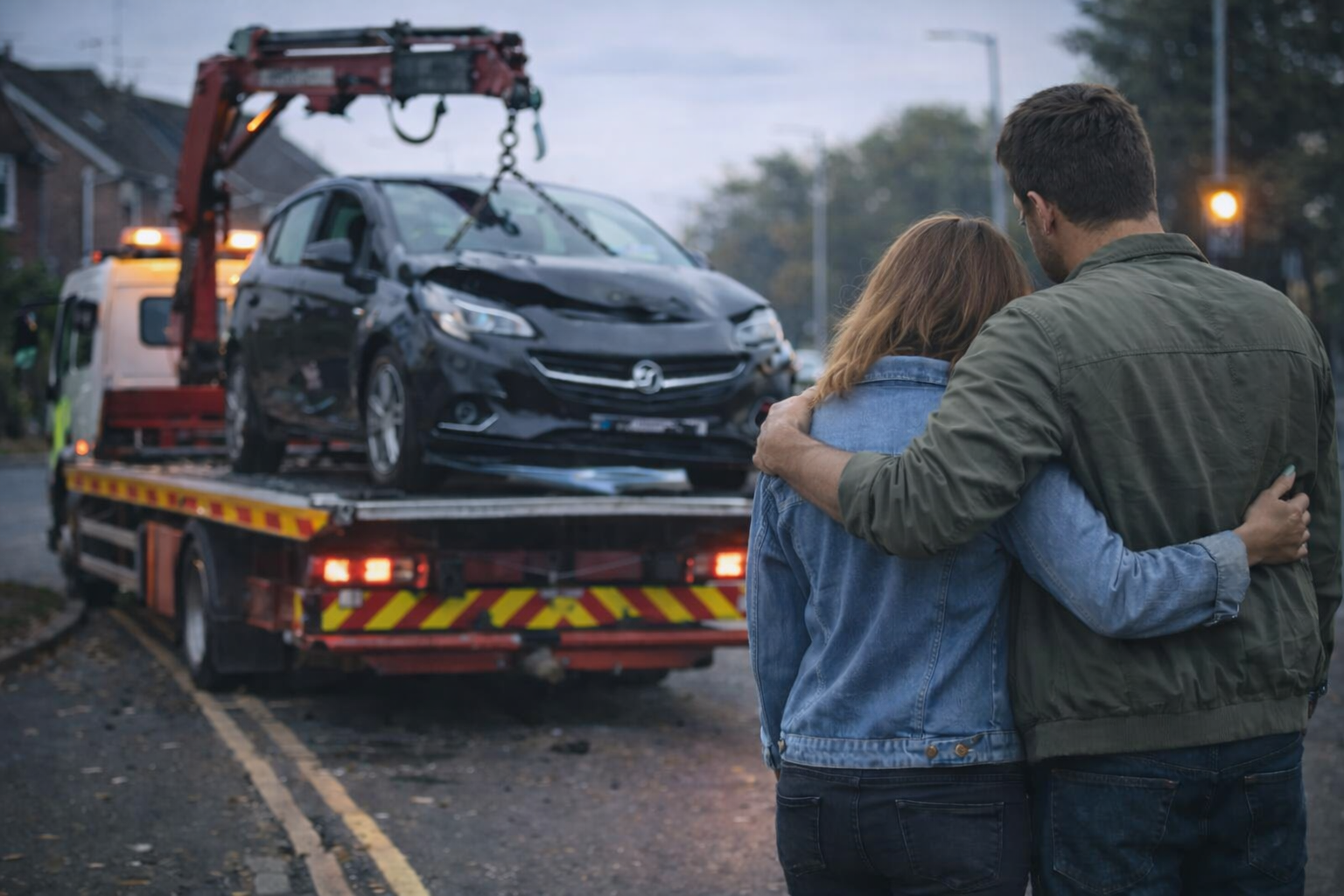
One call. Recovery, guidance and next steps.
We’re here to get you safe, get your vehicle moved, and help you stay in control after an accident.
We’ll take the pressure off and handle things
We can:
- Investigate what happened and assess your claim
- Establish who was at fault
- Arrange a suitable replacement vehicle if you need one
- Connect you with trusted vehicle repair specialists
- Liaise directly with the other party’s insurer on your behalf
- Introduce you to any additional support you may need, including experienced solicitors
- Our aim is to make things simpler, clearer, and less stressful, so you can focus on getting back to normal.
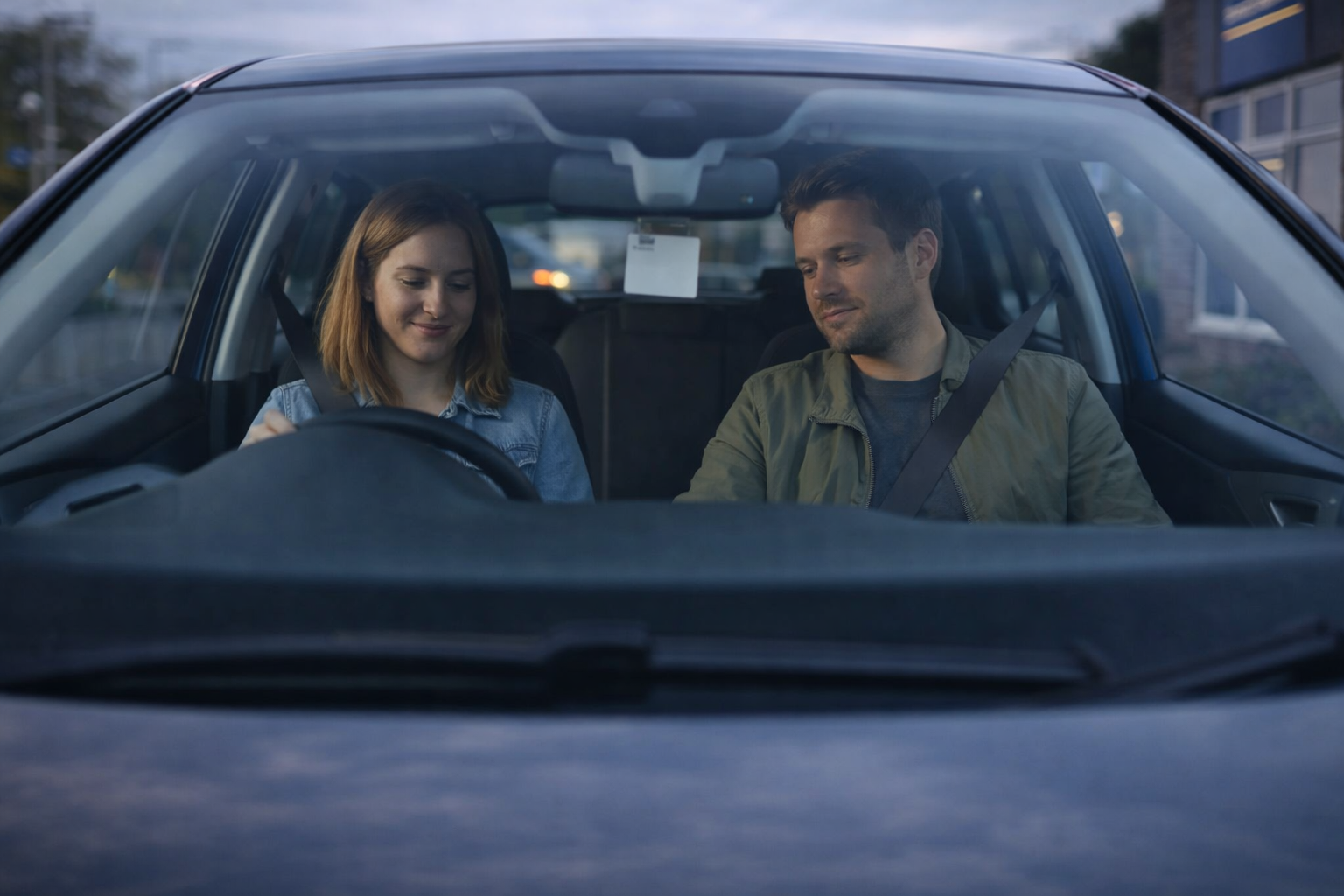
Accident Recovery
From roadside pickup to safe storage, we can arrange recovery quickly (where available).
Accident Help & Advice
Not sure what to do next? We’ll tell you what matters, what to capture, and what to avoid.
Repairs Support
We can help you access repairs through our partner network and keep you updated along the way.
Replacement Vehicle
Need to stay mobile? A replacement vehicle may be available depending on circumstances and eligibility.
Uninsured Loss Guidance
We can explain how to recover costs like excess, car hire, and other expenses where applicable.
Legal Support (if needed)
If there’s injury or a dispute, we can refer you to a specialist panel for advice.
Need accident recovery or advice? Call now.
One call. Recovery, guidance and next steps.
We’re here to get you safe, get your vehicle moved, and help you stay in control after an accident.
Accident Recovery
From roadside pickup to safe storage, we can arrange recovery quickly (where available).
Accident Help & Advice
Not sure what to do next? We’ll tell you what matters, what to capture, and what to avoid.
Repairs Support
We can help you access repairs through our partner network and keep you updated along the way.
Replacement Vehicle
Not many people can manage without their car, so we’ll try to make a replacement vehicle may be available, depending on circumstances and eligibility.
Uninsured Loss Guidance
We can explain how to recover costs like excess, car hire, and other expenses.
Legal Support
Accident claims can get tough.
If there’s injury or a dispute, we can refer you to a specialist legal team.
Calm, practical help — when you need it most
After an accident, it’s easy to feel rushed or pressured. We keep it simple: help first, decisions second. We’ll explain your options clearly and help you move forward — without the headache.

UK support via partner network

Clear guidance and regular updates

You speak to a real person

24 hours a day, 7 days a week.
We’re always here.
What to do after a non-fault road traffic accident
If you have been involved in a road traffic accident that was not your fault, it can feel like everything happens at once. You may be dealing with shock, a damaged vehicle, pressure from insurers, confusion about what to say, and worry about how you will get home or get to work the next day. That is exactly why many drivers look for calm, practical support as soon as possible.
At Motor Recovery Line, our role is simple. We help people understand what to do next after a non-fault accident and, where appropriate, help connect them with recovery, repairs, replacement vehicle support, uninsured loss guidance and other next steps through our trusted partner network. Instead of trying to figure everything out on your own, you can make one call and get clear information about what may be available to you.
Every accident is different. Some involve minor bodywork damage and no injuries. Others leave the vehicle unsafe to drive or create a dispute about what happened. In all cases, the earlier you get good guidance, the easier it usually is to protect your position and avoid unnecessary stress later on.
The first priority: safety always comes first
Immediately after an accident, your first concern should always be safety. If anyone is injured, if there is any danger to other road users, or if the road is blocked, call the emergency services straight away. If it is safe to do so, move to a safer position, switch on hazard lights, and keep yourself and any passengers away from live traffic.
Once everybody is safe and the immediate situation is under control, that is the point at which practical accident recovery support becomes important. Many people are understandably shaken and worried they will say the wrong thing or miss something important. The good news is that a few sensible steps taken early can make a big difference.
Important details to gather at the scene
If you are physically able and it is safe, try to collect as much information as you can. This does not need to be perfect, but it helps to have a clear record of what happened. Useful details include:
- The registration number, make and model of the other vehicle
- The other driver’s name, address and insurer details if available
- The time, date and exact location of the accident
- Photos of vehicle damage, number plates, road layout, junctions, signs and skid marks
- Photos showing the wider scene as well as close-up damage
- Names and contact details of any independent witnesses
- Notes about weather, lighting, traffic conditions and anything said at the scene
Try to keep your notes factual. It is usually best not to argue at the roadside or get drawn into lengthy discussions about blame. You do not need to prove everything there and then. What matters is preserving the basic evidence and getting yourself into a safe position.
Why people contact us after a non-fault accident
Many drivers assume they only have two choices after an accident: deal with everything alone or passively wait to hear from an insurer. In reality, there may be other options depending on the circumstances. That is why people often call us for help after a non-fault car accident.
They may need vehicle recovery because the car cannot be driven safely. They may need advice about repairs, storage, replacement vehicles or how to recover losses that their own policy does not automatically deal with. They may want help understanding what information matters before they speak to anybody else. In some cases, there may also be injury or a dispute, which means specialist legal support could become relevant.
Our focus is on helping you take sensible next steps quickly, with less confusion and less hassle.
Vehicle recovery after an accident
If your vehicle is undriveable, badly damaged or unsafe, recovery is often the first practical issue. Waiting by the roadside after a crash is stressful enough without having to search around for the right number to call. Where available, we may be able to help arrange recovery through our partner network so your vehicle can be moved from the scene to a suitable location.
Fast accident recovery can matter for several reasons. It helps keep you safe, it reduces the chance of further damage or complications, and it helps get the claims and repair process moving sooner. In many cases, people simply want reassurance that the vehicle is no longer stranded and that somebody is taking ownership of the next step.
If recovery is needed, it is helpful to have your registration number, location, a short description of the damage, and details about whether the vehicle can roll, steer or start. Even if you are not sure, giving an honest description of the condition can help the right arrangements be made.
Repairs and getting your vehicle back on the road
Once the immediate roadside situation is sorted, the next question is usually: what happens to my car now? Depending on the circumstances, repairs may be arranged through a suitable repairer in the partner network. For many drivers, the biggest concern is simply getting their car restored properly and kept informed along the way.
Accident repairs can involve more than just visible damage. Modern vehicles may have hidden issues affecting structural panels, sensors, cameras, alignment systems or safety features. That is why proper assessment matters. If your vehicle is suitable for repair, the aim is usually to return it to the roadworthy condition it should have been in before the incident, subject to the usual process and assessment.
Good communication also matters. After an accident, people do not want to be left guessing. They want to know what is happening, what stage things are at, and whether there is anything they need to do next. Clear updates can make a difficult situation feel much more manageable.
Replacement vehicles and staying mobile
For many people, being without a vehicle is not a minor inconvenience. It affects commuting, school runs, caring responsibilities, medical appointments, business travel and day-to-day life. That is why replacement vehicle support can be such an important part of non-fault accident help.
Where appropriate and subject to circumstances and eligibility, a replacement vehicle may be available while your own car is off the road. This can be especially important if your vehicle is not drivable, is awaiting repair, or has been written off and you still need to stay mobile.
Replacement vehicle arrangements are never one-size-fits-all. What may be suitable depends on your needs, the type of vehicle you drive, how the accident is being handled, and the facts of the claim. The important thing is to ask early. Many people do not realise support may be available, and that uncertainty can make the disruption of an accident feel even worse than it needs to.
Understanding uninsured losses
One of the most frustrating parts of any accident is discovering that not every cost neatly disappears just because the collision was not your fault. Drivers often face additional expenses and losses that may need to be identified and pursued separately, depending on the situation.
These are often referred to as uninsured losses. They may include things like your policy excess, travel costs, recovery charges, hire costs, loss of earnings, personal items damaged in the vehicle, or other out-of-pocket expenses connected to the accident. In some cases, these losses can be significant.
This is where clear guidance matters. Knowing which losses may be relevant, what evidence you should keep, and how these costs are usually documented can help avoid problems later. Receipts, invoices, photographs, wage records and written notes can all be useful depending on the type of loss involved.
The key point is simple: if the accident was not your fault, it is worth understanding the full picture rather than focusing only on the visible damage to the vehicle.
When liability is disputed
Not every accident is straightforward. Sometimes the other driver accepts responsibility immediately. Sometimes they do not. In other situations, liability may be unclear at first because of conflicting accounts, limited evidence, junction layouts, lane changes, reversing manoeuvres or sudden stops.
That does not automatically mean you have no case. It means the facts need to be looked at properly. Photos, dashcam footage, witness details, road markings, vehicle damage patterns and timing can all become important when establishing what happened.
If liability is disputed, getting sensible advice early can help you avoid mistakes and ensure relevant information is preserved. The earlier the position is clarified, the easier it is generally to move the matter forward and reduce unnecessary delay.
If there has been an injury
Some accidents involve more than damage to the vehicle. Even apparently minor collisions can sometimes lead to pain, stiffness or symptoms that appear later. If anyone is hurt, medical attention should always come first. Your health matters more than the paperwork.
If an injury has occurred and the circumstances justify it, specialist legal support may also become relevant. That can include guidance around whiplash, soft tissue injuries, ongoing pain, loss of earnings, treatment costs or other issues flowing from the accident. Where needed, we may be able to refer you to an appropriate specialist panel for further advice.
It is always sensible to report symptoms honestly, seek proper medical assessment, and keep records of appointments, medication, travel costs and how the injury affects daily life.
Common mistakes people make after a crash
Most people do not deal with road traffic accidents every day, so it is normal not to know the process. A few mistakes do come up again and again, though, and avoiding them can make things easier:
- Leaving the scene without taking photos or basic details
- Admitting blame in the heat of the moment
- Throwing away receipts or failing to keep a note of expenses
- Delaying too long before reporting what happened
- Accepting confusing or unclear explanations without asking questions
- Assuming there is no help available because the process feels complicated
- Not mentioning all the ways the accident has affected work or daily life
Most of these mistakes come from stress, not carelessness. That is exactly why straightforward guidance can be so valuable after a non-fault accident.
A simple step-by-step guide after a non-fault accident
- Make sure everybody is safe and call 999 if there are injuries or danger.
- Move somewhere safe if you can do so without risk.
- Exchange details and record the other vehicle’s registration.
- Take photos of the vehicles, road layout and damage.
- Collect witness details if anybody independent saw what happened.
- Do not argue, and do not feel pressured into making statements on the spot.
- Keep receipts and records of any costs or disruption caused by the accident.
- Call for help and find out what support may be available.
That is often enough to turn a chaotic situation into a manageable one.
Why a calm approach matters
After an accident, people often feel they are being rushed into decisions. The vehicle needs moving. Somebody wants details. Someone else says they will call back. You are trying to think clearly while still shaken. That is why a calm approach matters.
Good accident support is not about adding drama. It is about reducing it. It is about helping you understand your options, making practical arrangements where possible, and keeping things moving in a sensible order. Help first, decisions second is often the best way to think about it.
You should not need to become an expert in claims, recovery, repairs and uninsured losses overnight. You just need reliable next-step guidance from people who understand the process.
Frequently asked questions
What is a non-fault accident?
A non-fault accident is generally one where another party was responsible for the collision, even if liability still needs to be formally established.
Can I get my car recovered after an accident?
If your vehicle is unsafe or cannot be driven, recovery may be arranged where available through the relevant support network.
Will I be able to get a replacement vehicle?
A replacement vehicle may be available depending on the facts of the case, your needs, and eligibility.
What are uninsured losses?
These are losses and expenses not automatically covered in a simple vehicle damage process, such as excess, travel costs, hire costs or other out-of-pocket expenses, depending on the circumstances.
Do I need a solicitor?
Not every accident requires legal support. However, if there is injury, a dispute, or added complexity, specialist legal advice may be appropriate.
What should I keep after the accident?
Keep photos, receipts, correspondence, witness details, repair information and notes about what happened. These can all help later.
Speak to us if you need help after a non-fault accident
If you have had an accident and it was not your fault, you do not need to figure everything out on your own. Whether you need urgent vehicle recovery, guidance on what to do next, help understanding repairs, or support staying mobile, we are here to help you take the next step with more confidence.
The sooner you act, the easier it can be to protect important evidence, reduce disruption and understand what support may be available. If you are unsure where to start, start with one call.
Need help now?
Call Motor Recovery Line for calm, practical help after a non-fault accident.
Important information
In an emergency, or if anyone is injured, call 999 first. Any recovery, replacement vehicle, repairs support, uninsured loss guidance or legal referral will always depend on the circumstances of the accident and, where relevant, eligibility and partner assessment. Information provided on this page is general in nature and is intended to help you understand possible next steps after a non-fault road traffic accident.
Motor Recovery Line is an affiliate of iRevolution Claims Limited (trading as UK Motor Claims), First Floor, Waterside House, Wearfield, Sunderland, SR5 2TZ. iRevolution Claims Limited is authorised and regulated by the Financial Conduct Authority. The information on this website is provided for editorial purposes only and does not constitute a recommendation or financial advice. Our main website is here.